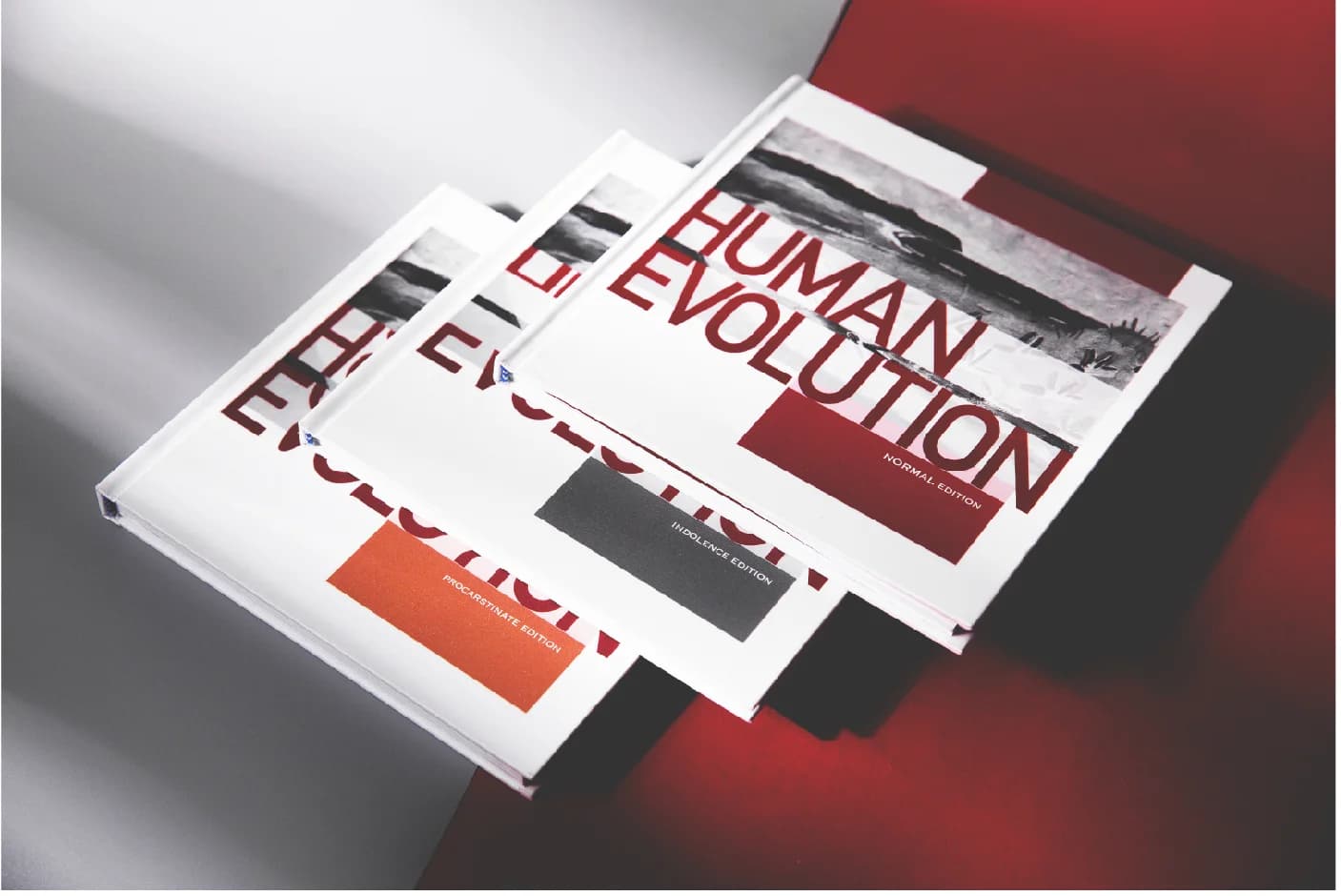
Human Evolution
A study of procrastination.
Translating the rhythms of delay into the rhythm of a book.
01 / Concept
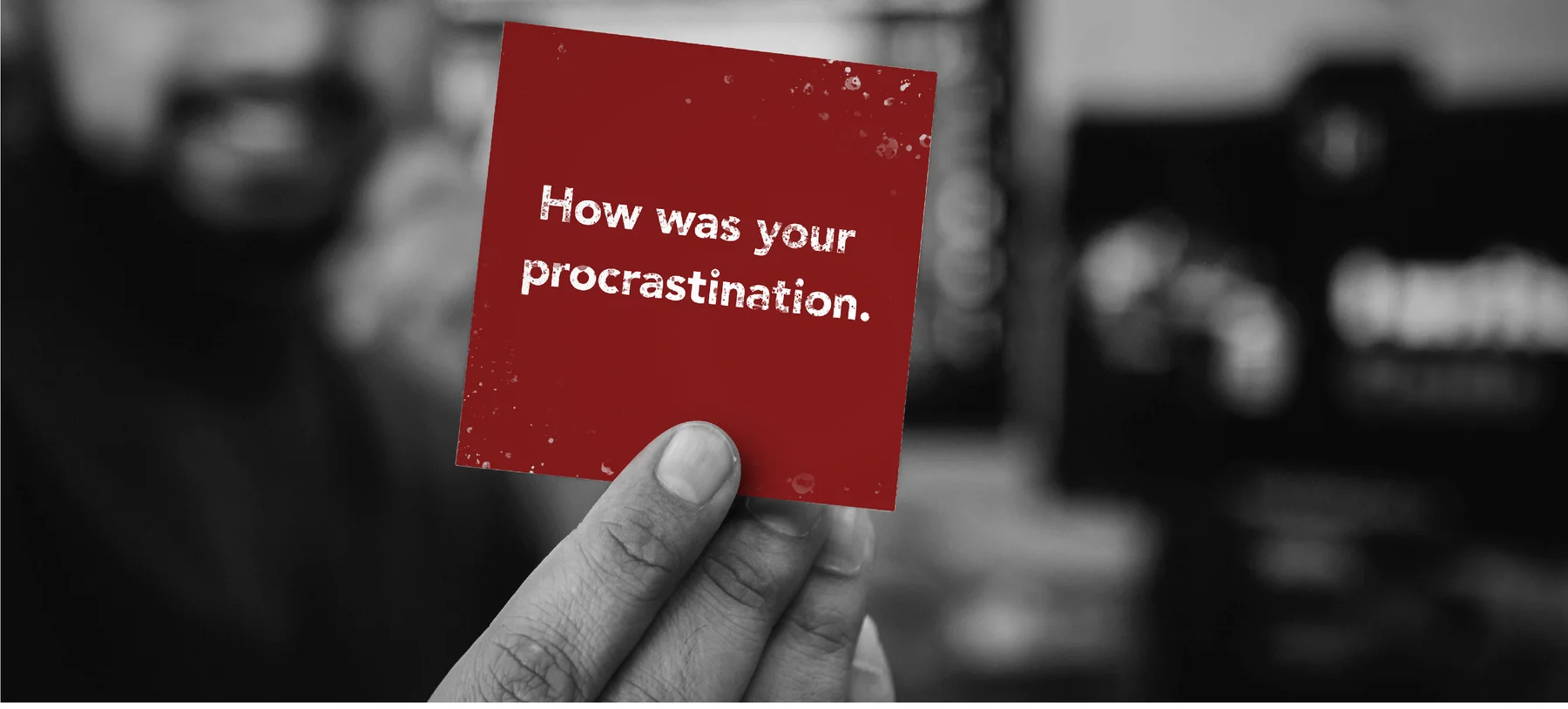
A familiar habit.
A different perspective.
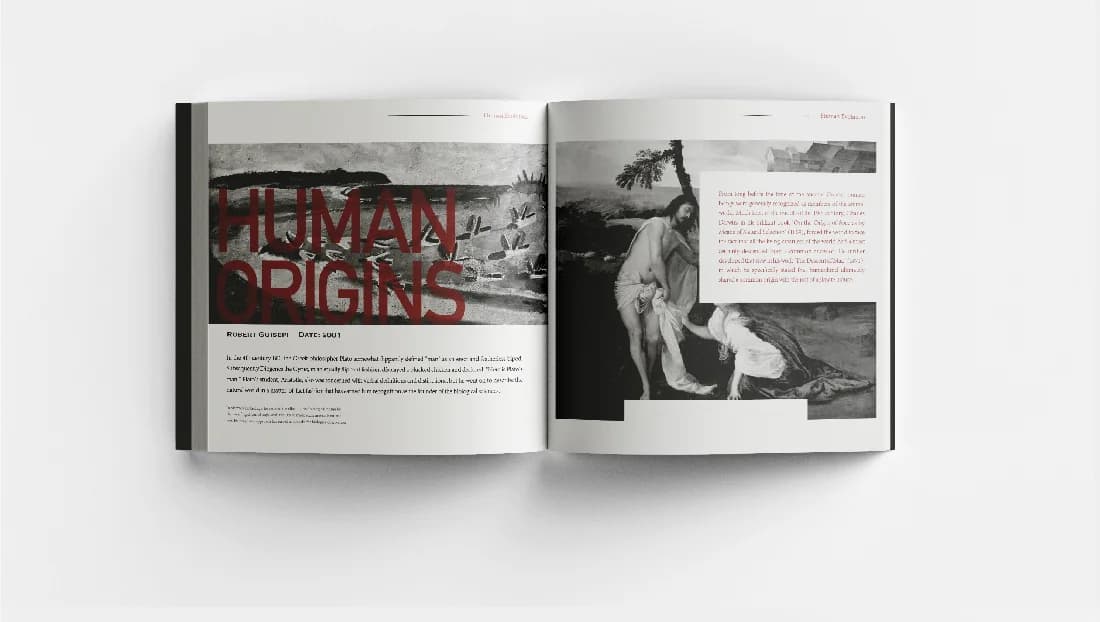
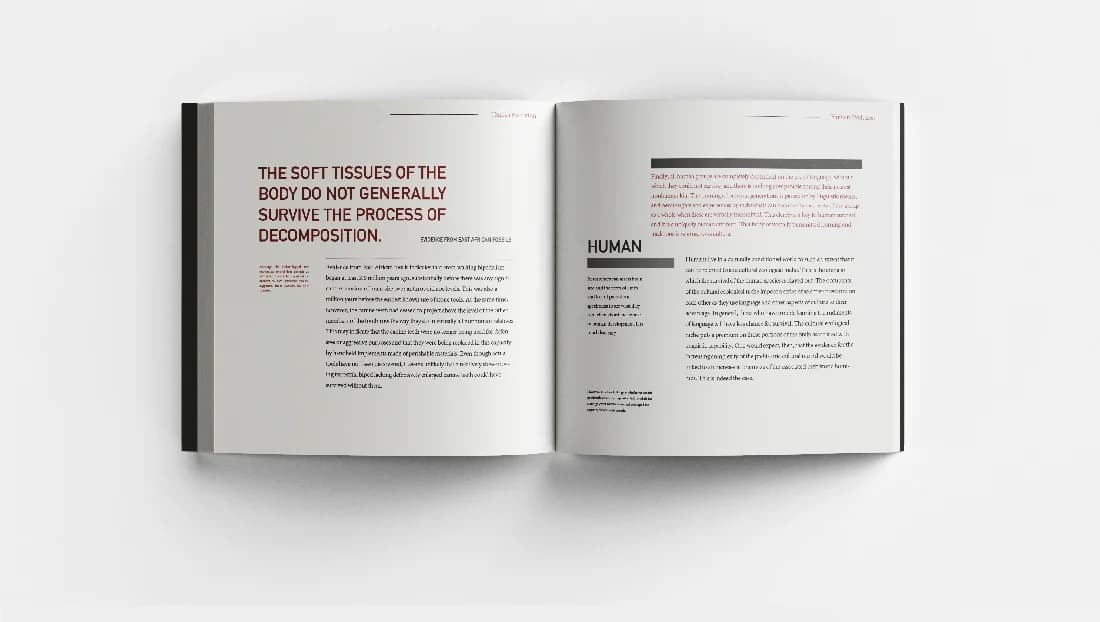
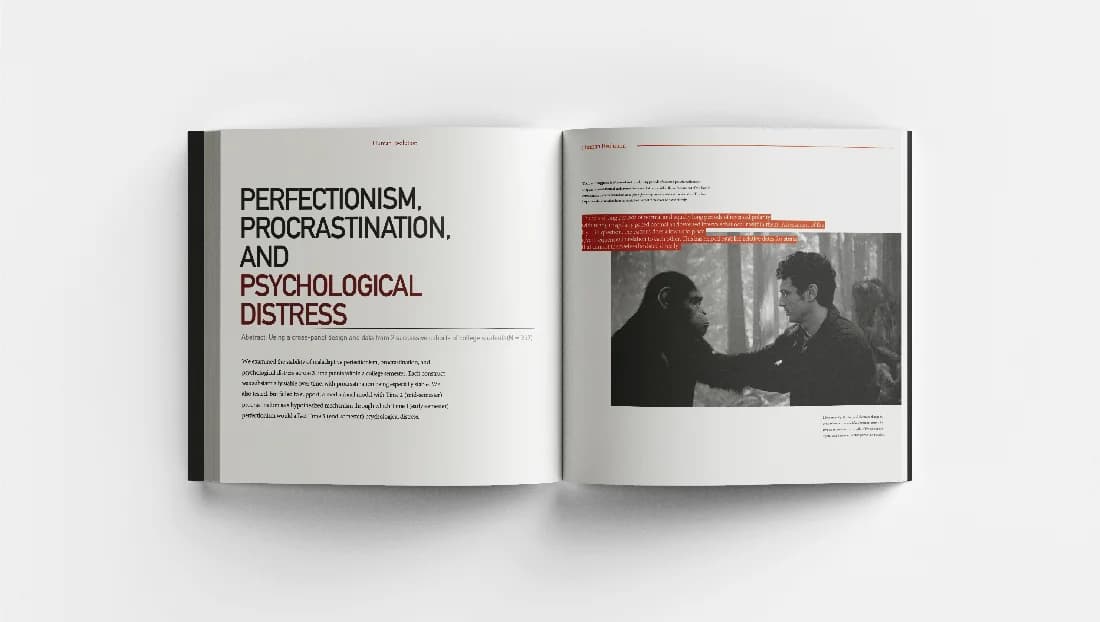
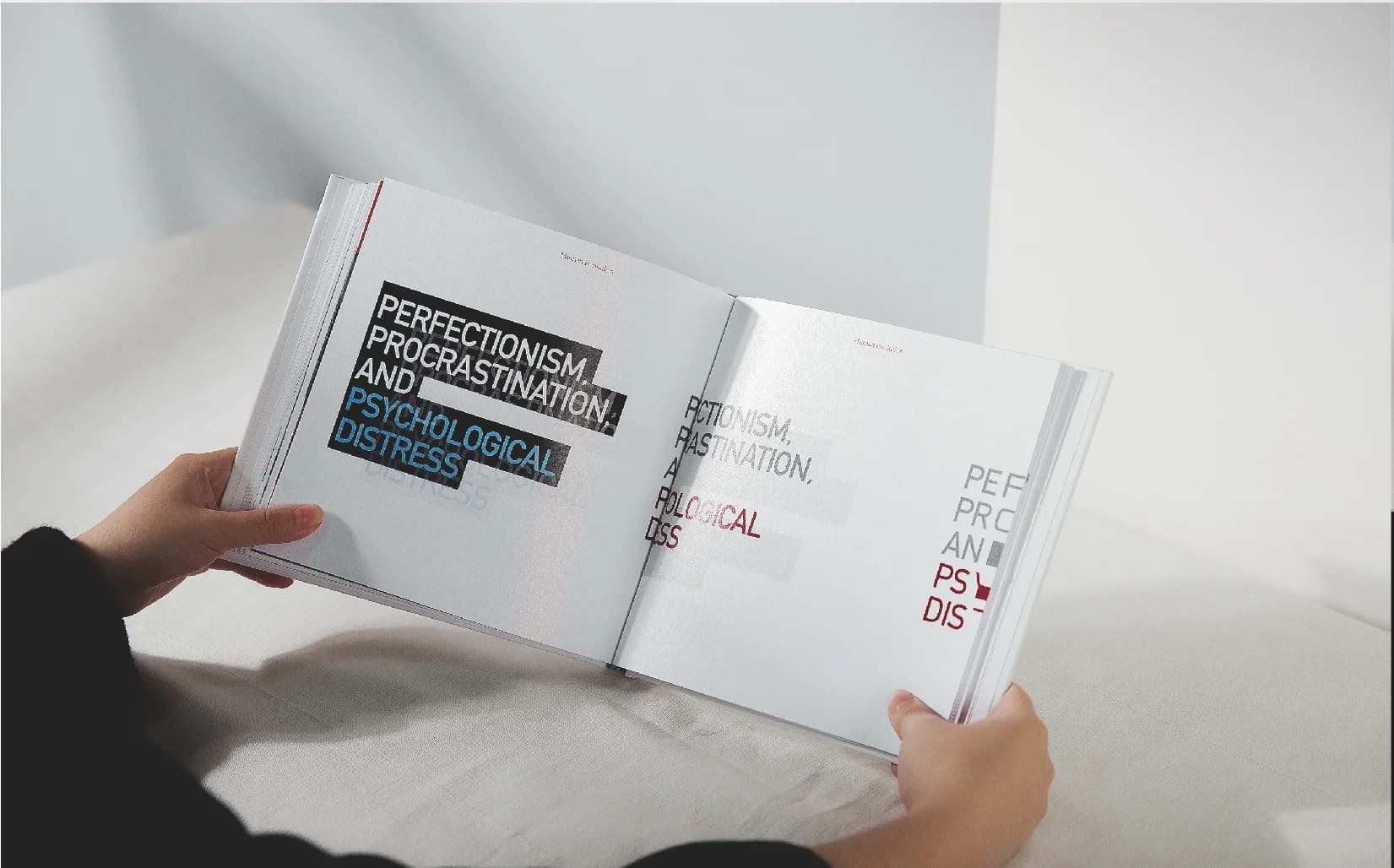
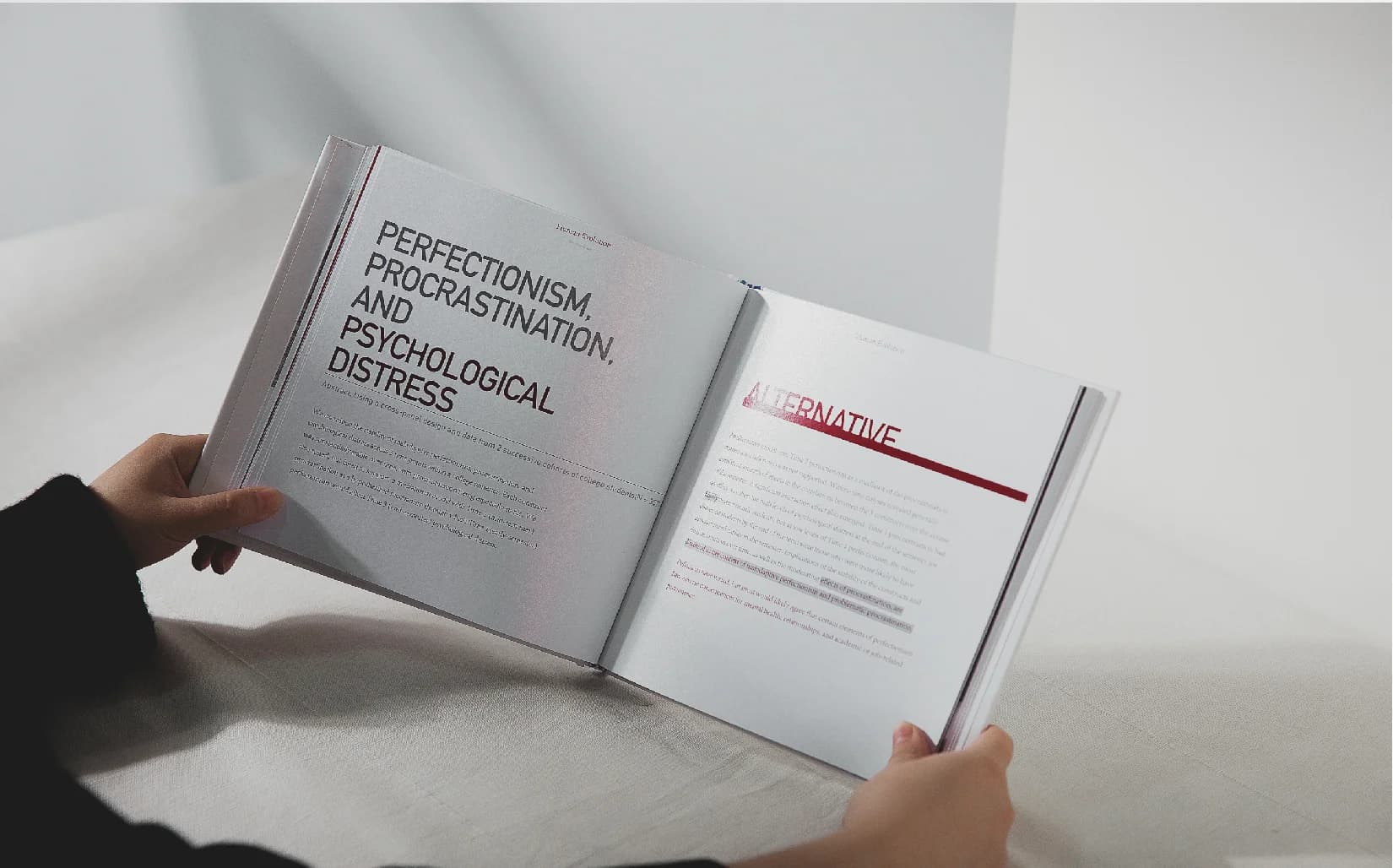
This experimental book uses procrastination as a way to observe and reflect on ourselves. It explores three approaches to work — a normal process, a procrastination process, and an indolent process — through contrasting editorial layouts.
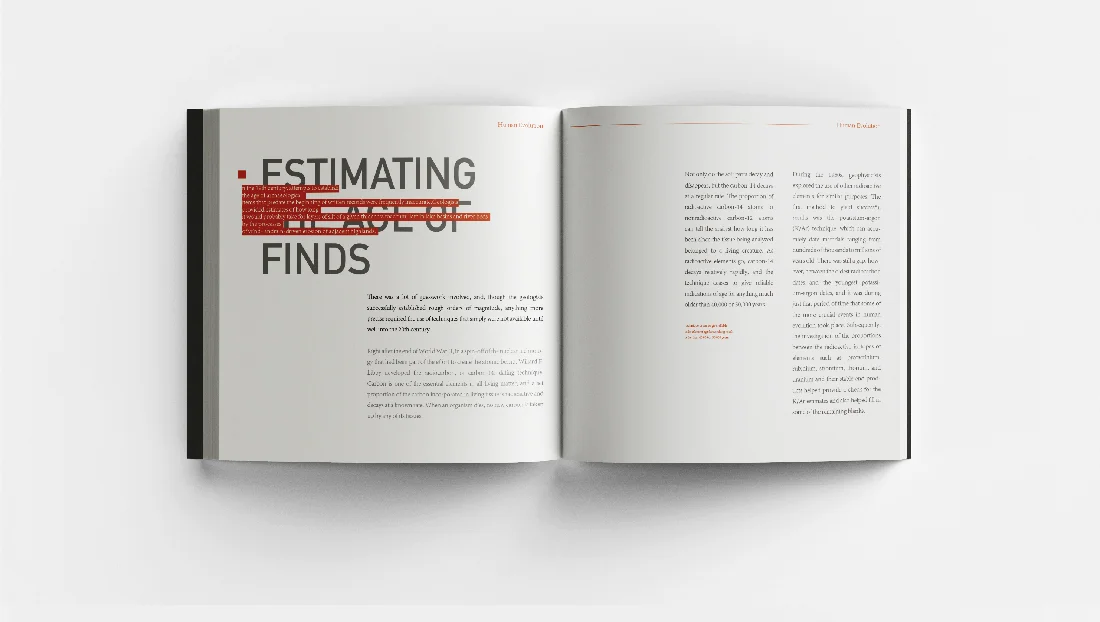
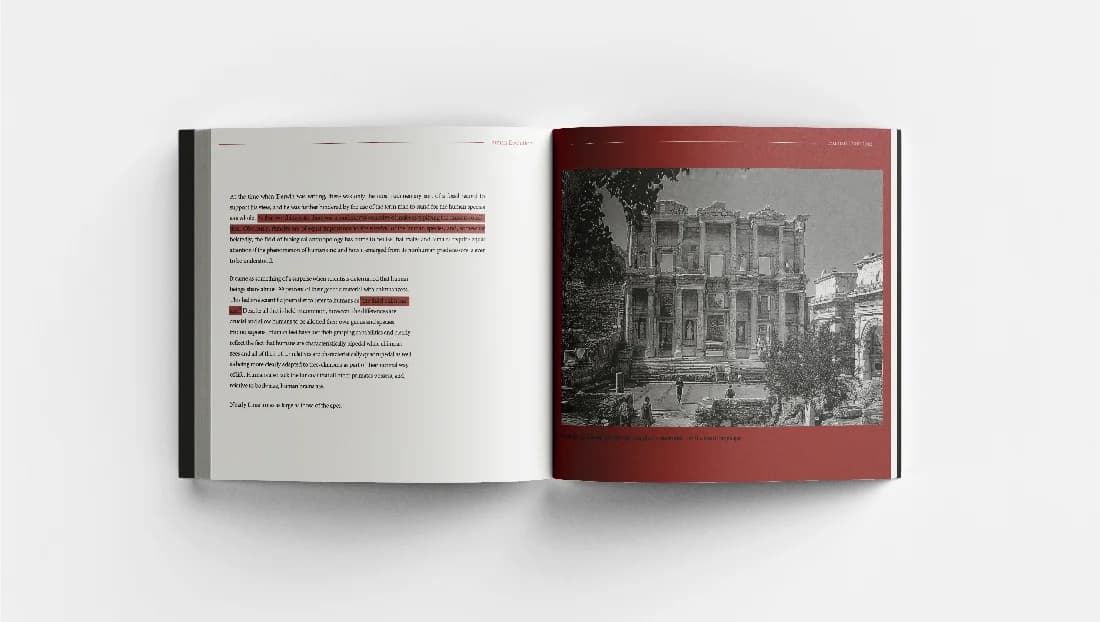
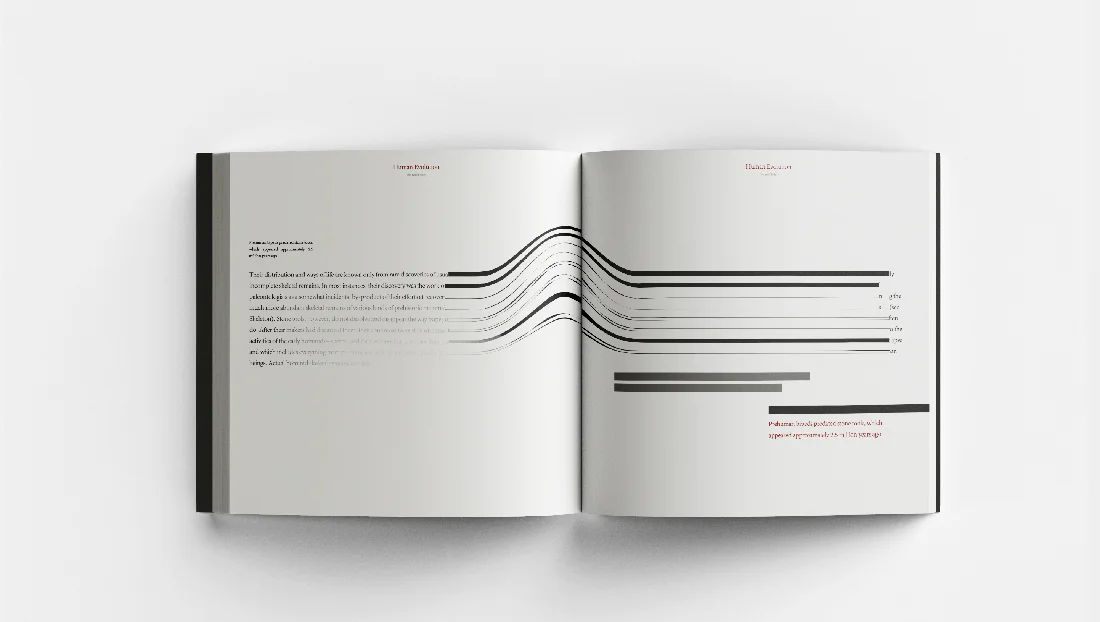
Rather than describing behavior only through words, the publication makes its pace visible: pauses, interruptions, repetition, and a final sprint become part of the reading experience.
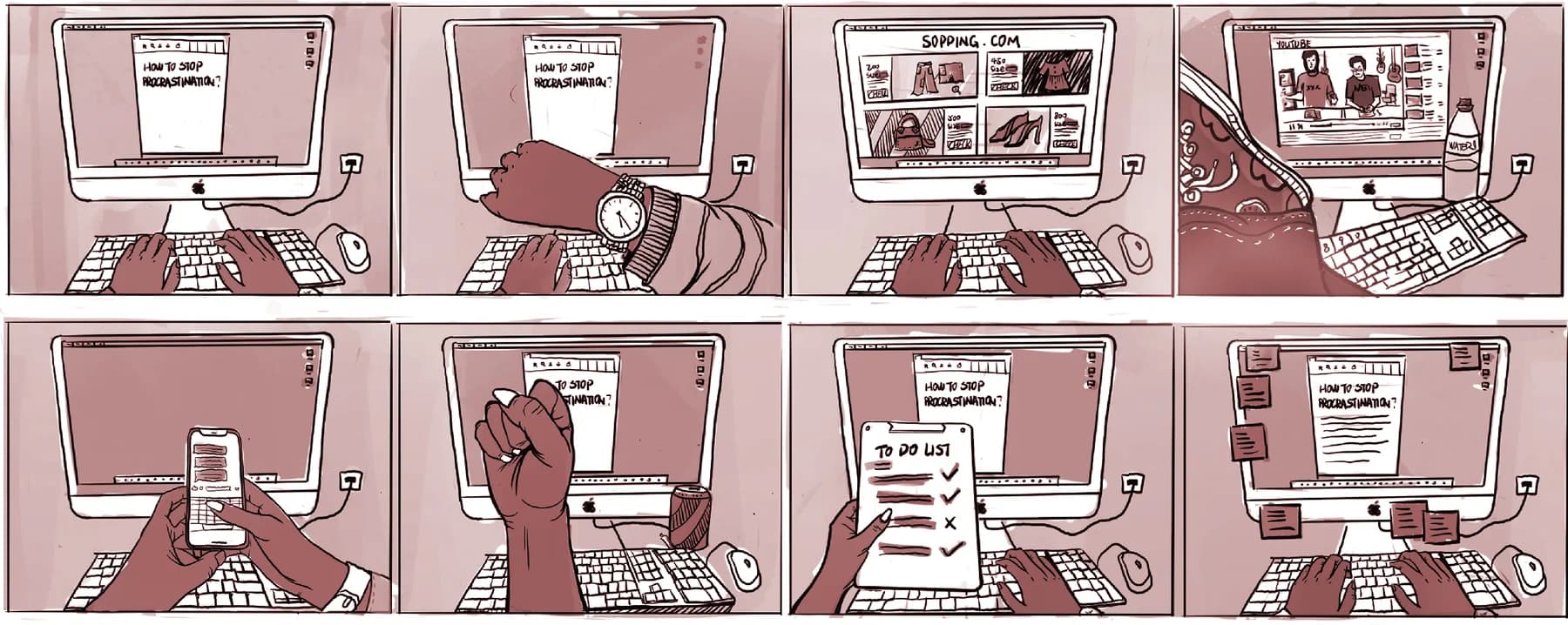
Look at procrastination easily, this is just a special and lovely way of life.
Project concept
02 / Behavior
Delay does not tell
the whole story.
The project distinguishes delaying an intended task from a lack of motivation to act. These behaviors may look similar from the outside, while the attitude, desired outcome, and working process differ.
This comparison is the project’s conceptual framework for the book’s visual language.
Procrastination
The task is postponed, even when the outcome still matters.
Delayed action
Similar on the surface. Different underlying patterns.
Indolence
Less urgency to engage with the task or its outcome.
Intention vs. action
Wanting to act, but delaying the start.
Less inclination to take action.
The outcome still matters
High expectations can coexist with delay.
Less emphasis on the eventual result.
Different working rhythms
Conceptual illustration · No measured values
03 / Design
Behavior becomes
a visual system.
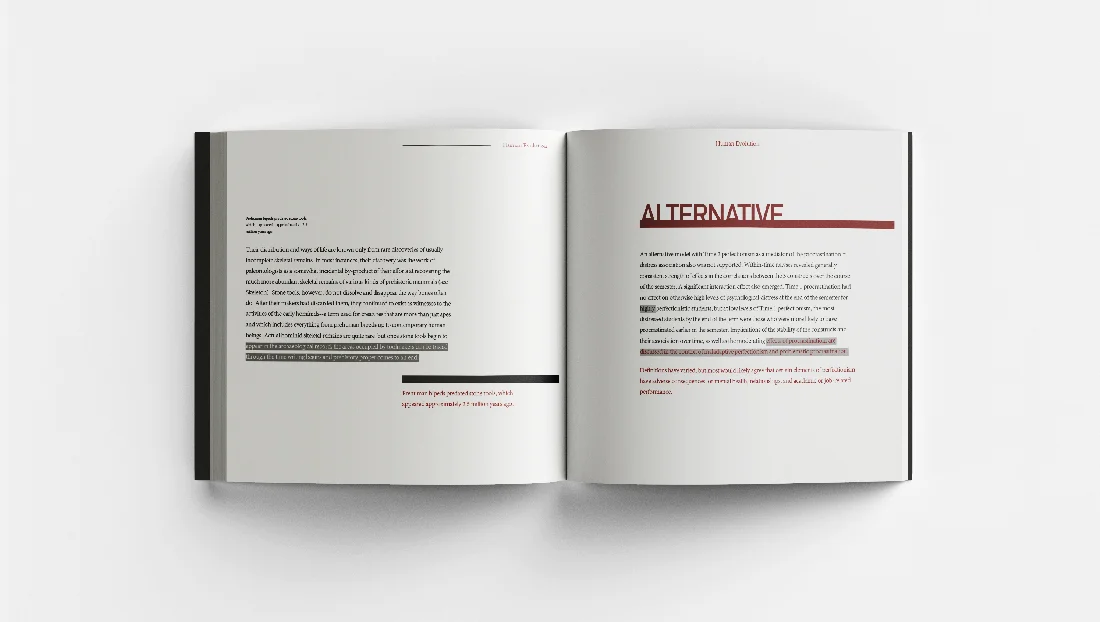
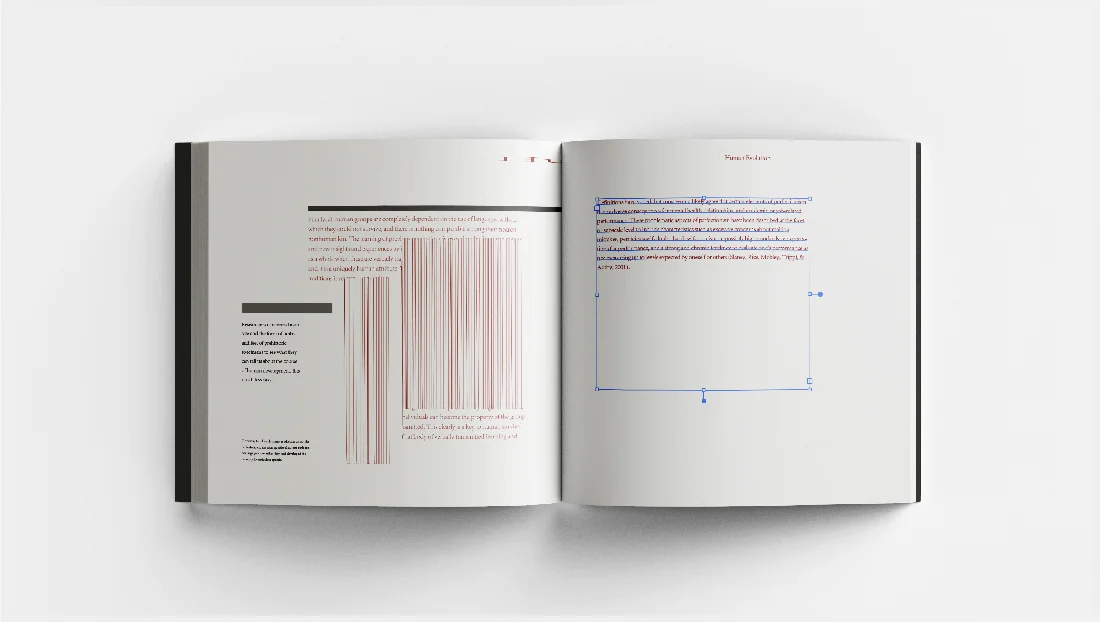
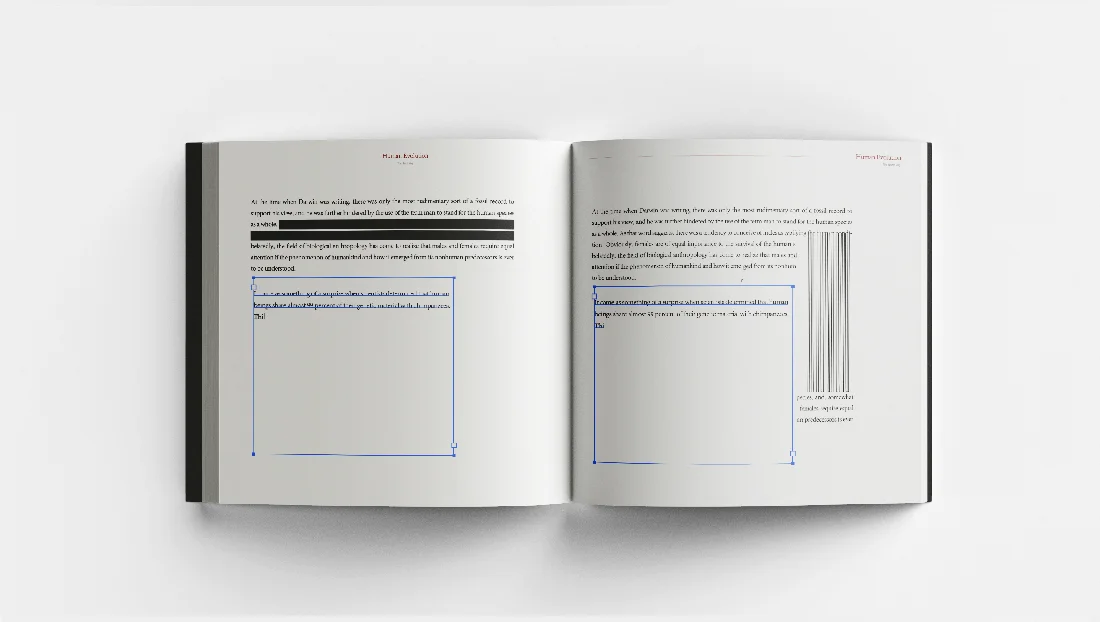
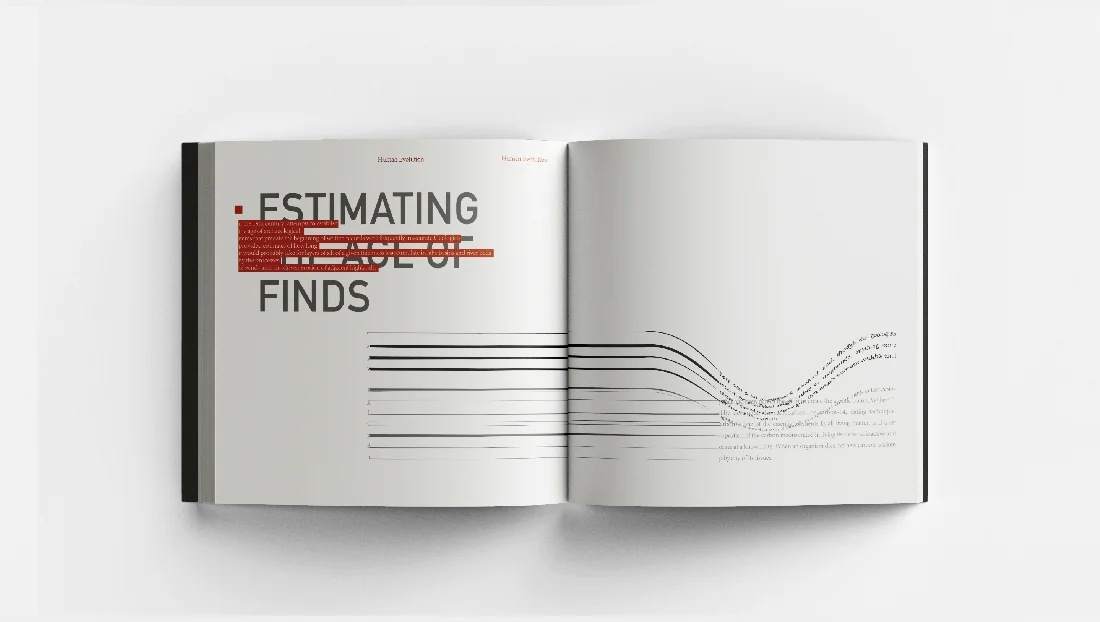
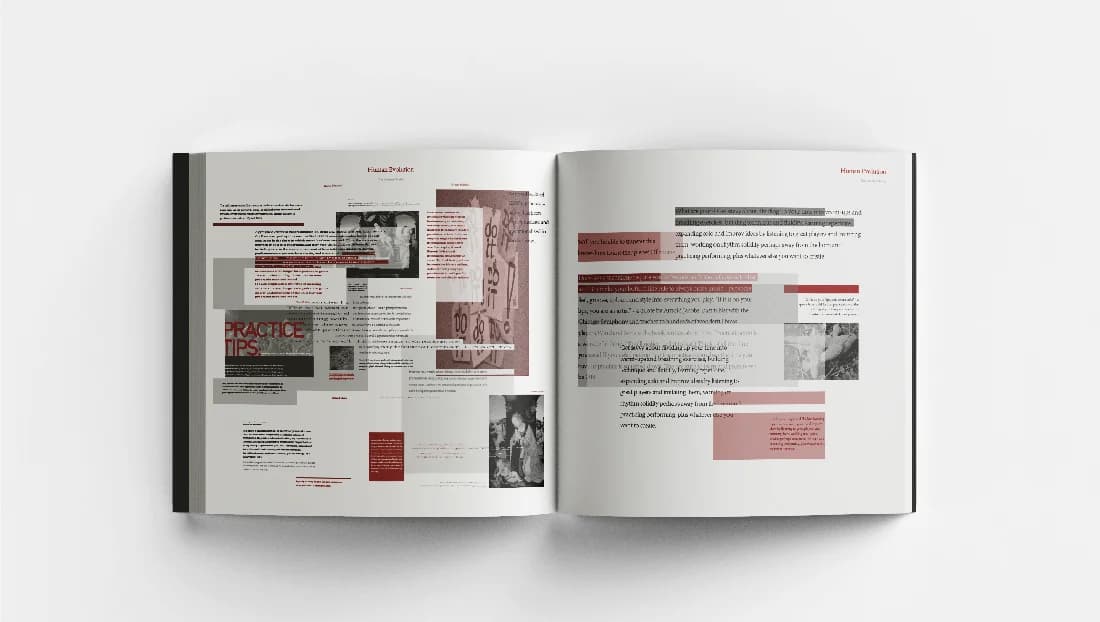
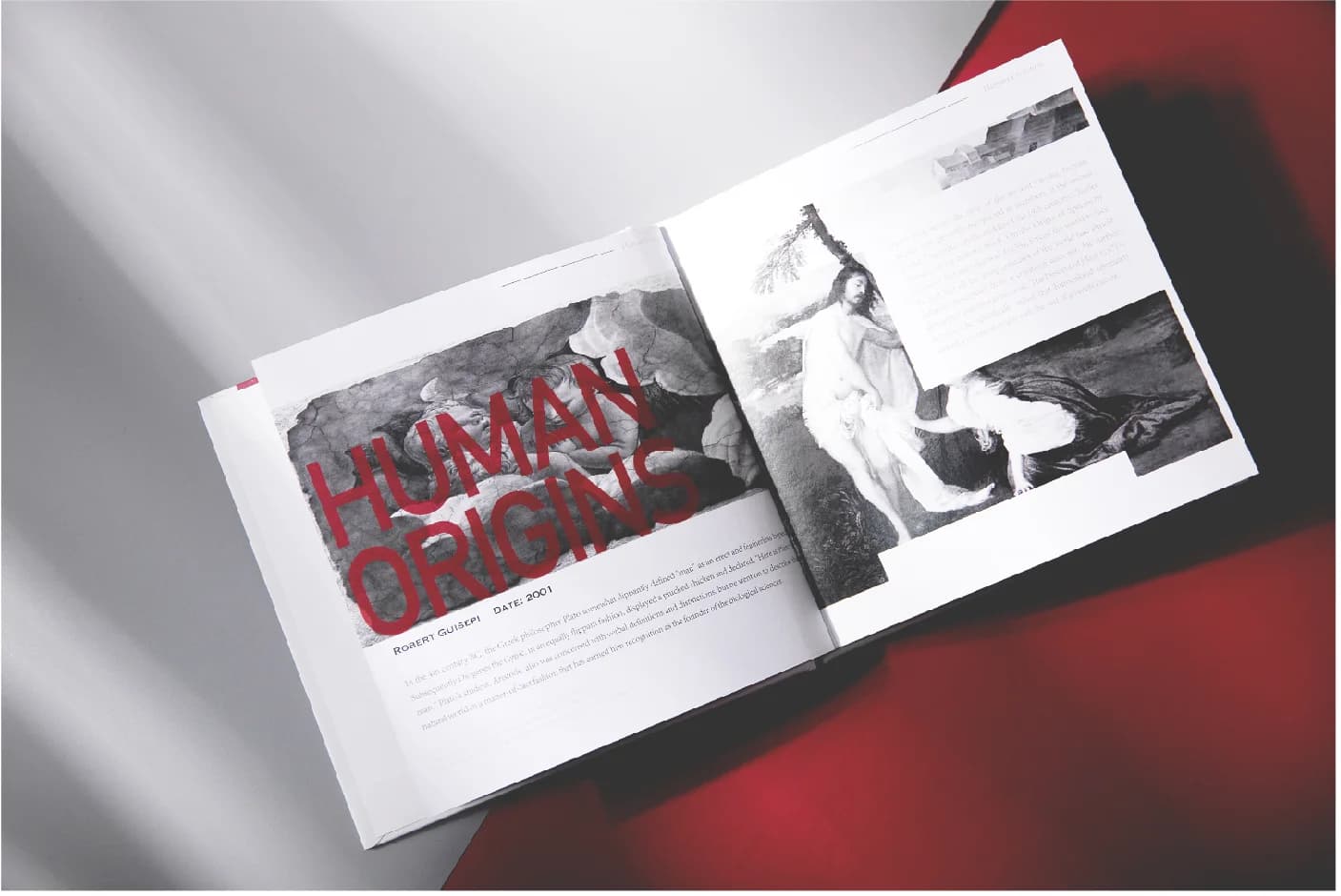
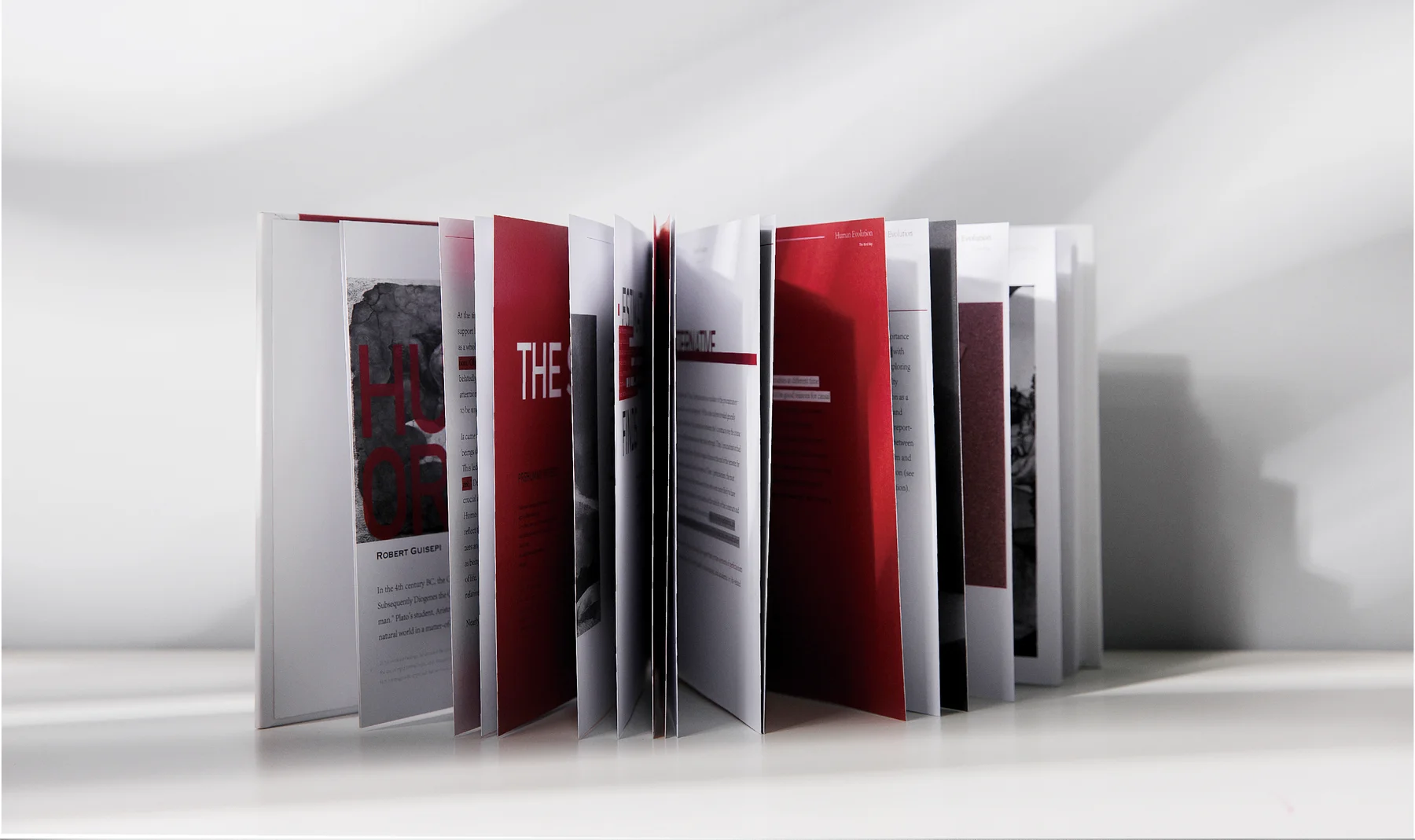
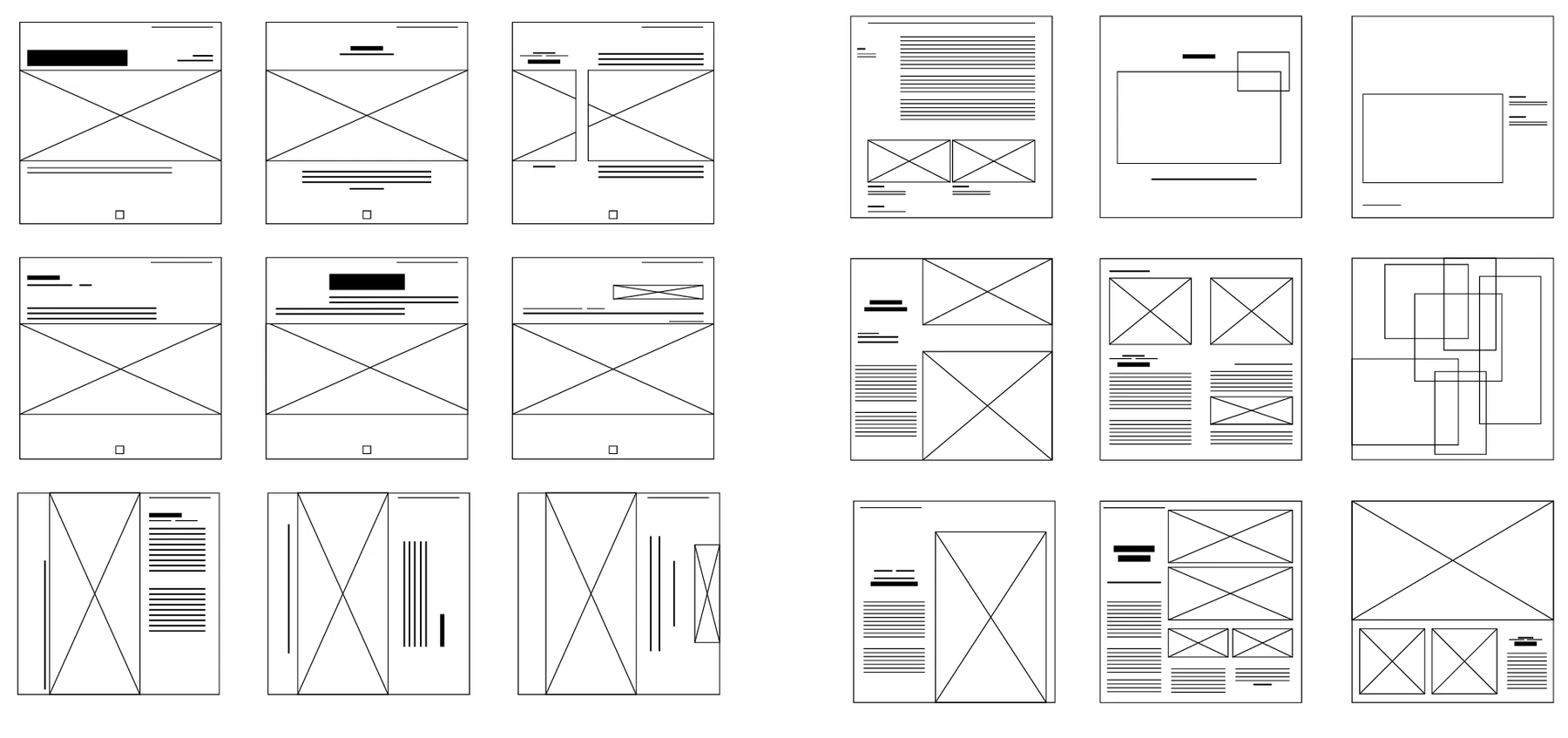
The book translates the normal, procrastination, and sprint stages into different layouts. Changes in density, alignment, and pacing allow readers to experience the progression rather than simply read about it.
Normal stage
Establish a rhythm
A clear structure introduces the reading sequence.
Procrastination stage
Interrupt the rhythm
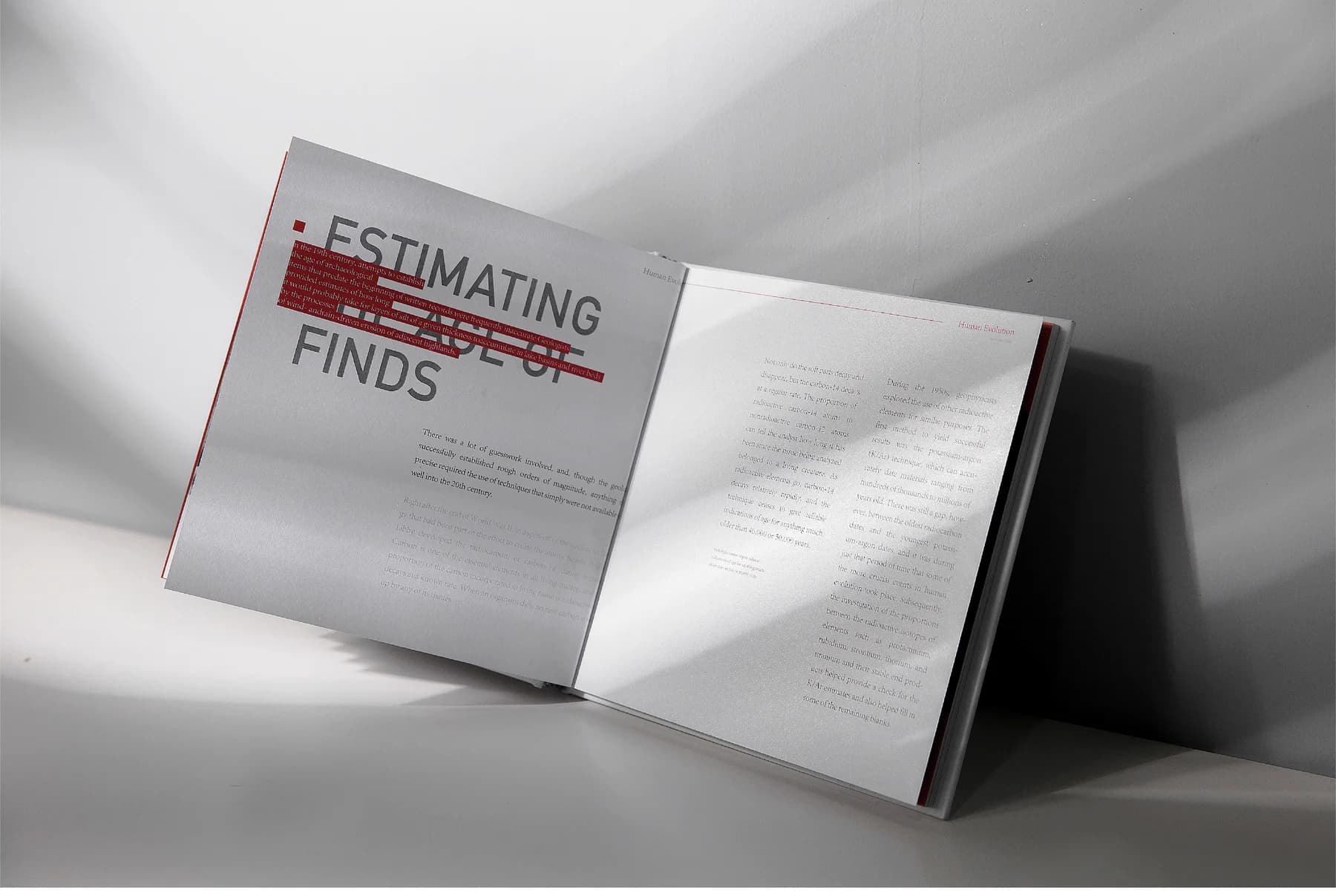
Fragments and visual interruptions express delay.
Sprint stage
Accelerate the rhythm
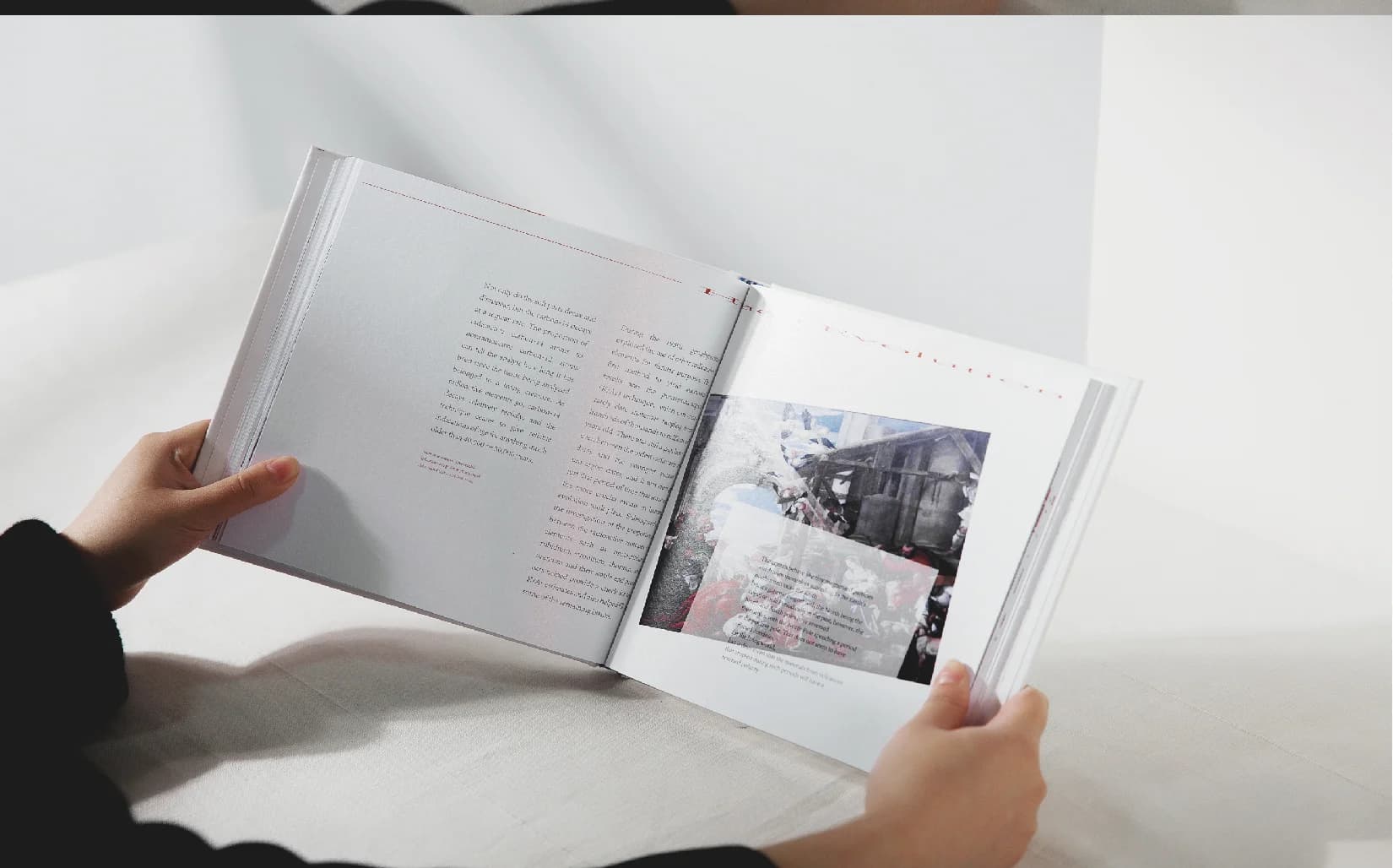
Denser compositions suggest urgency and momentum.
04 / Publication
One subject.
Three reading experiences.
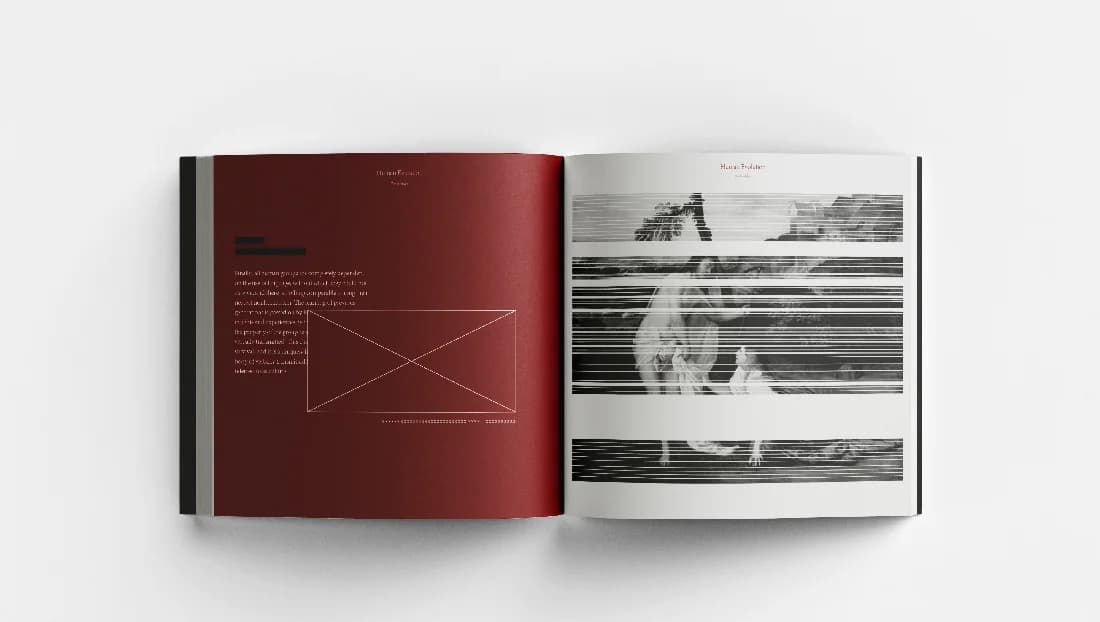
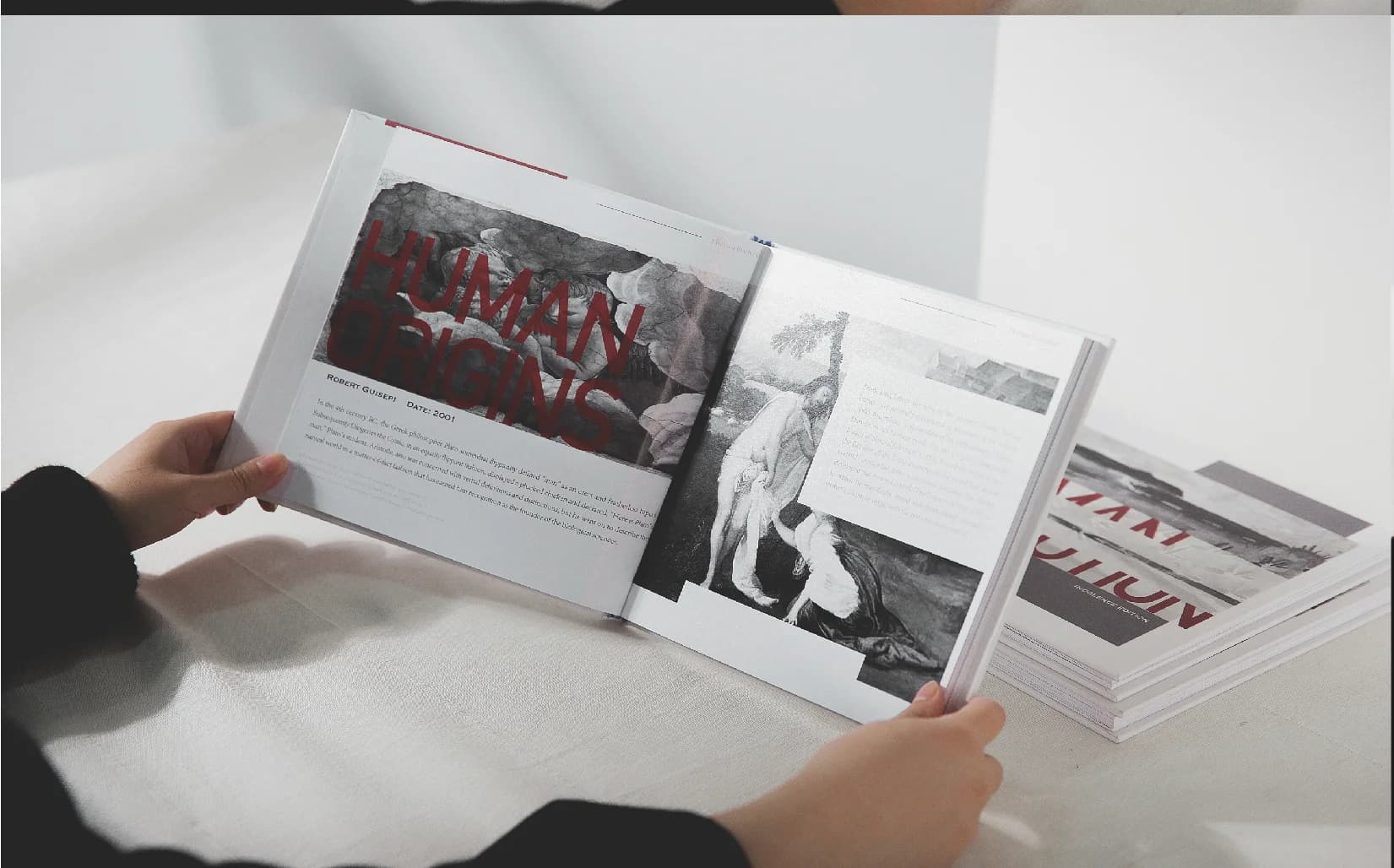
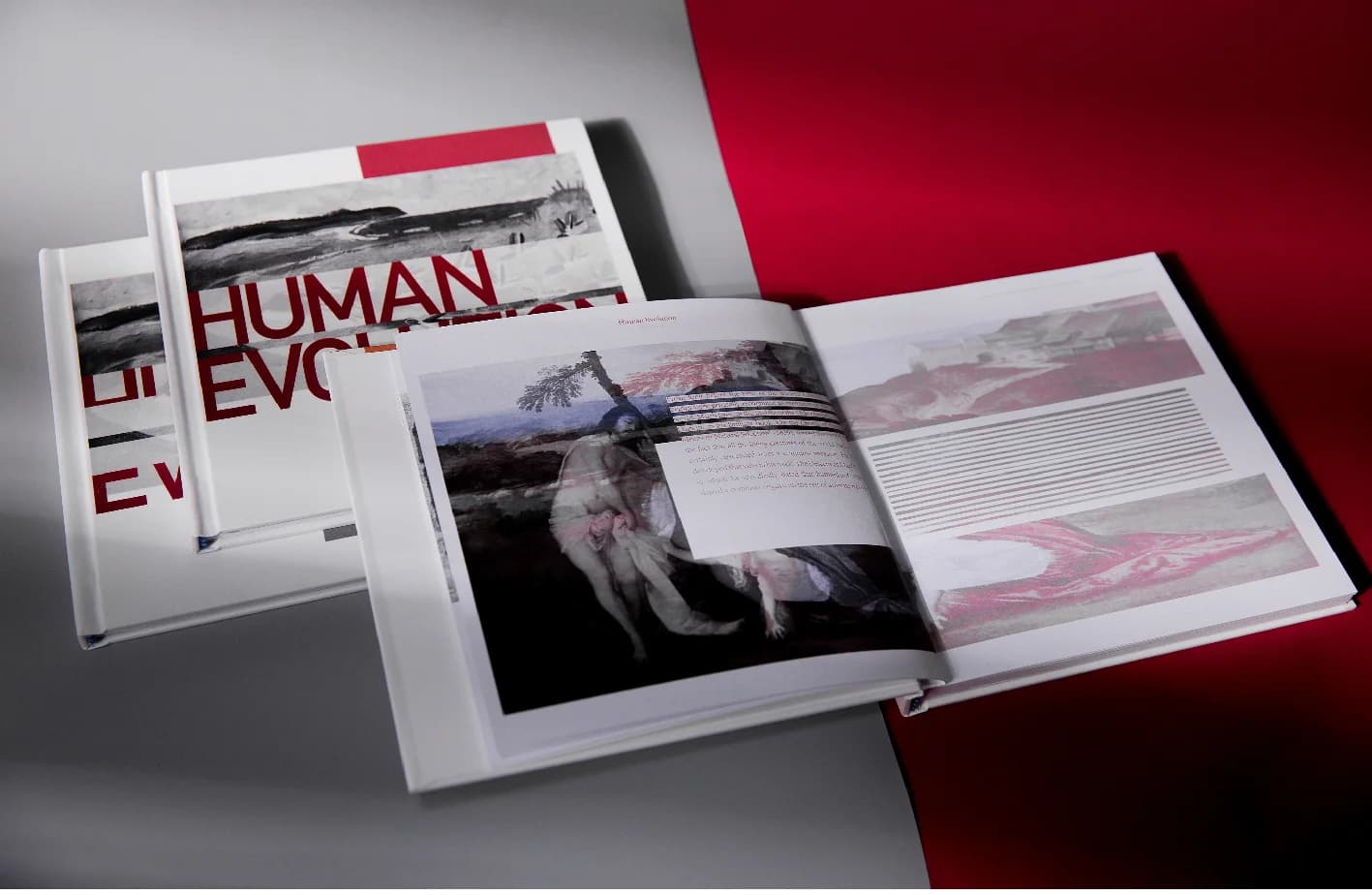
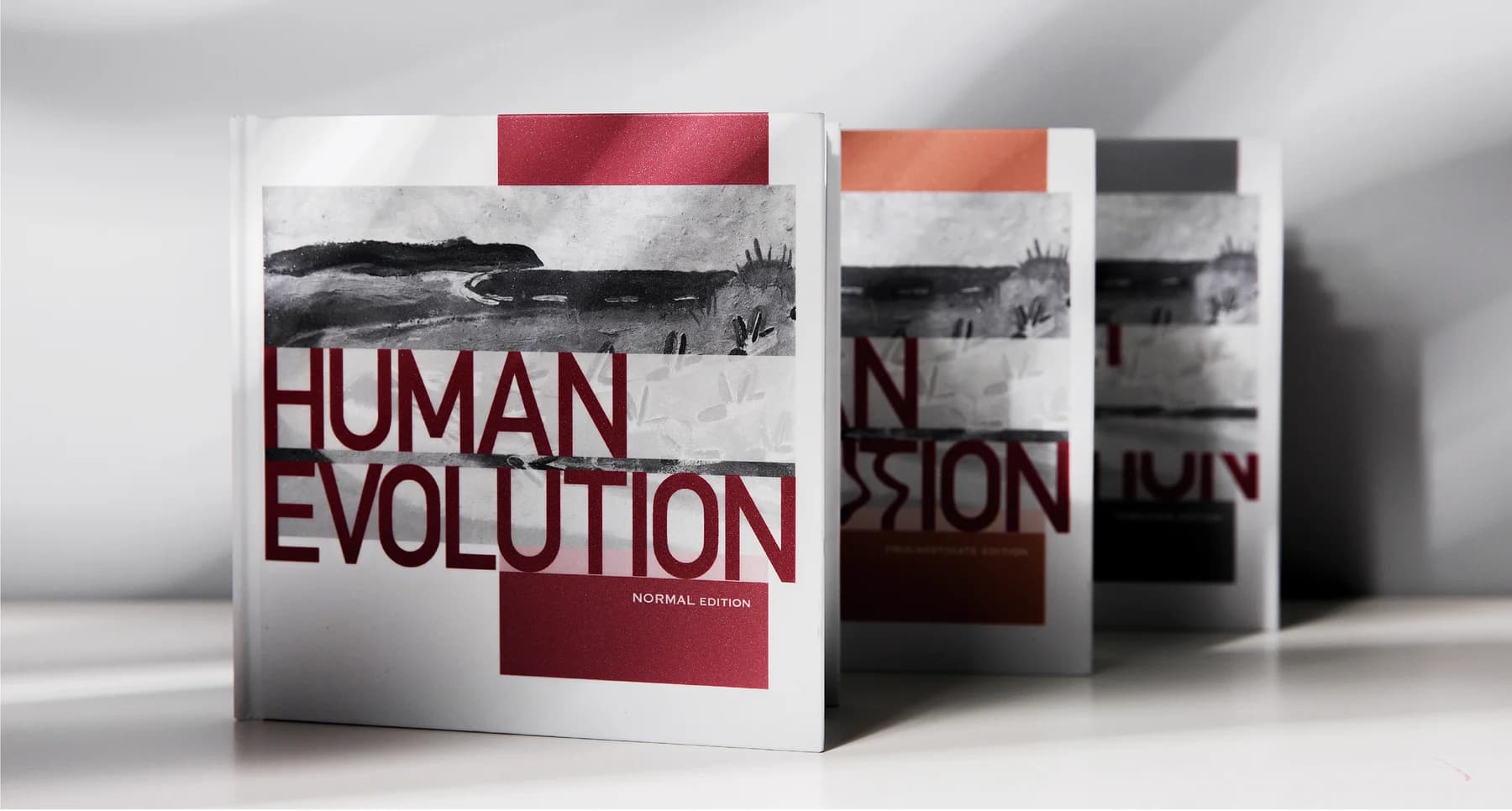
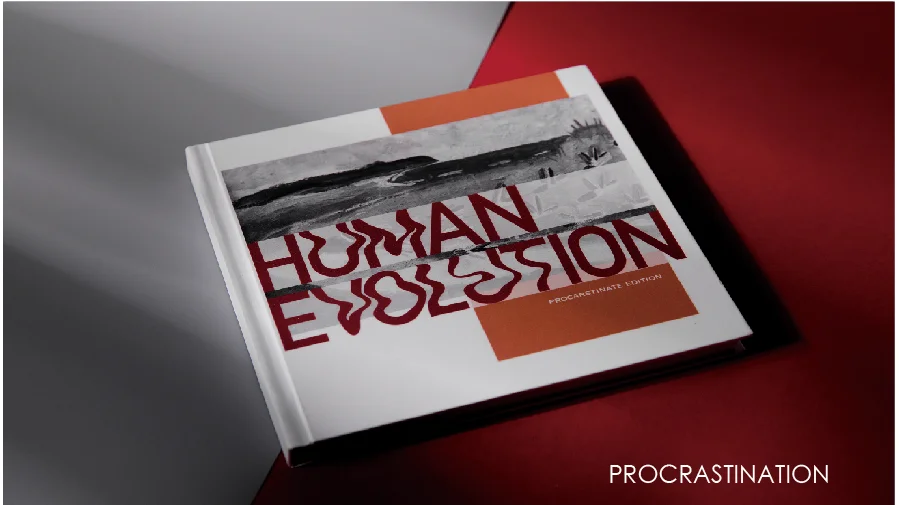
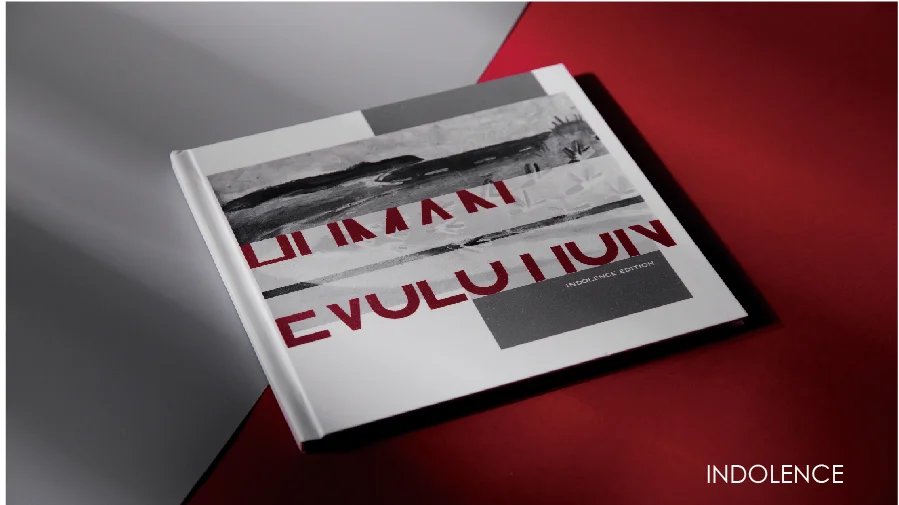
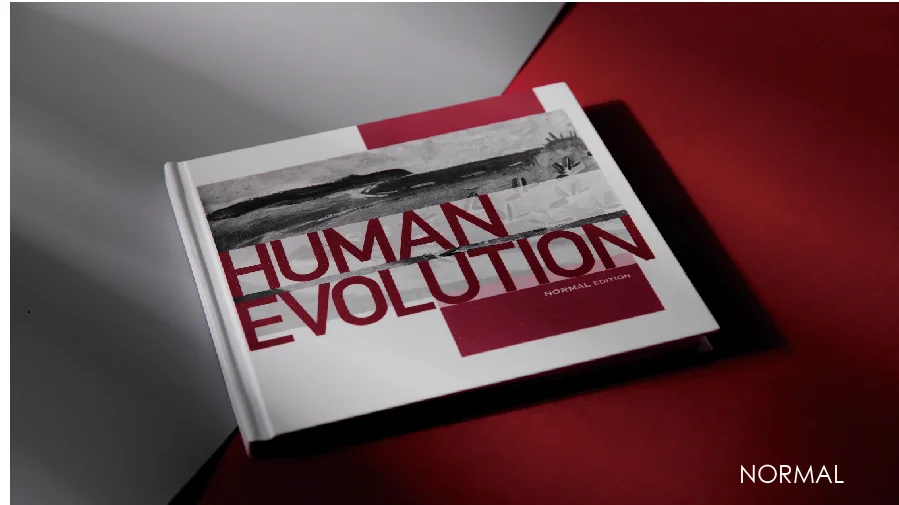
The final publication brings the study together in three editions. A restrained red, black, and white palette connects the covers and interior layouts, while each edition expresses a different working process.
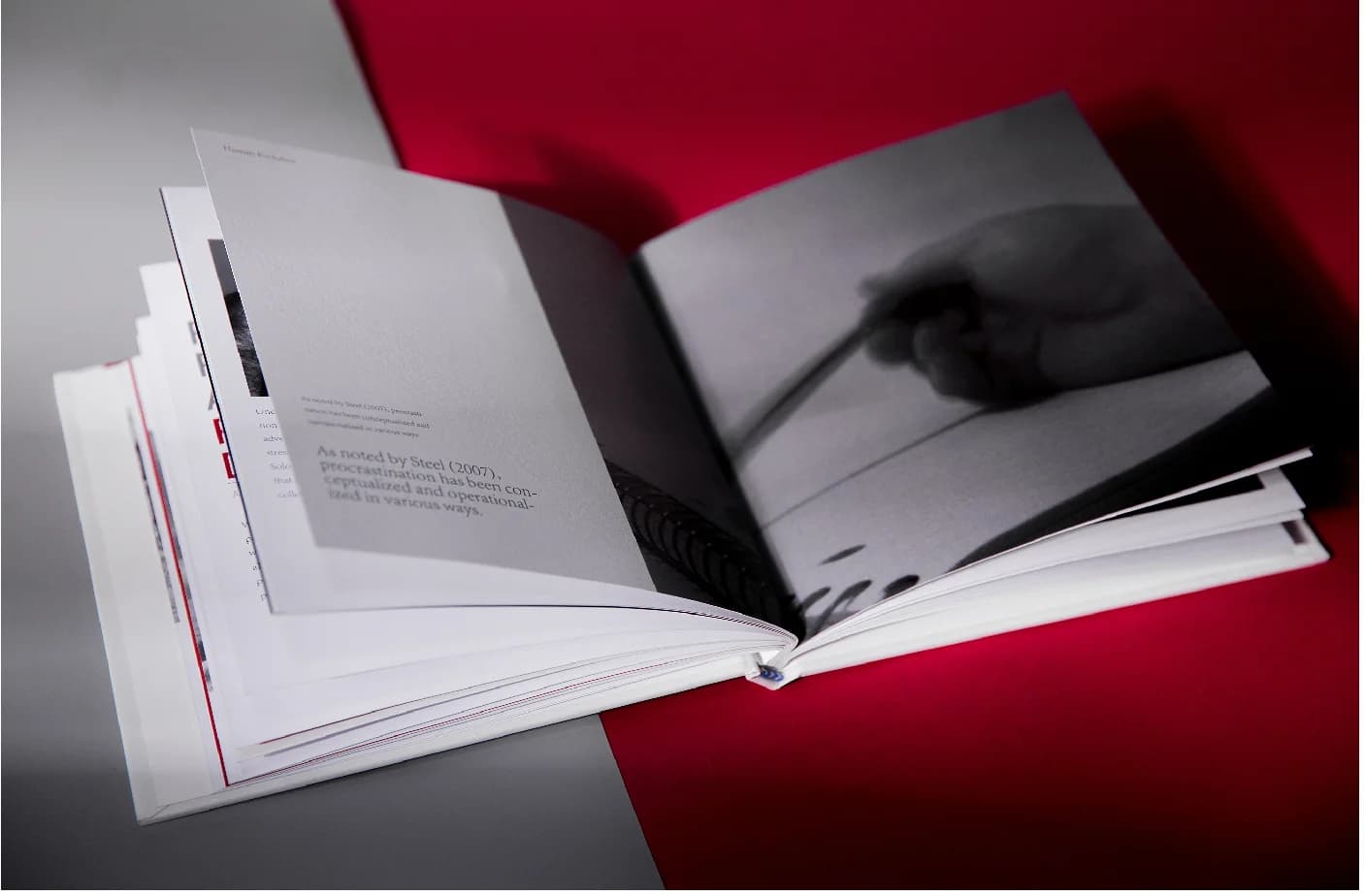
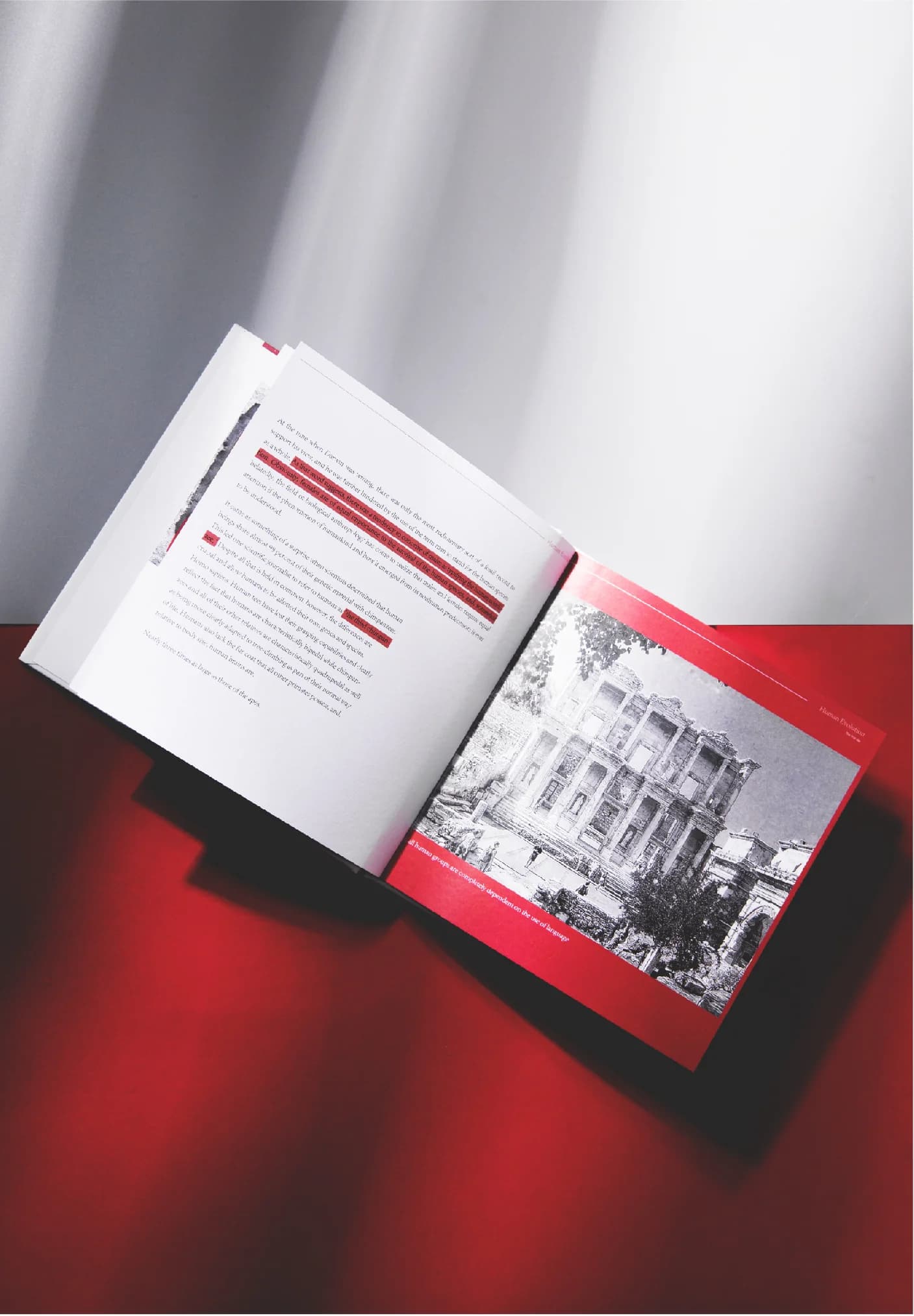
Inside the book
Typography, composition, and the pace of a page.